
The only botanical garden in Europe dedicated to food trees of warm climates.
An edible botanical garden in Tavira, Algarve — more than 330 species and over 500 varieties of fruit trees and perennial edible plants, growing a few hundred metres from the Atlantic Ocean.
Discover Orchard of Flavours Botanical Garden, in Tavira
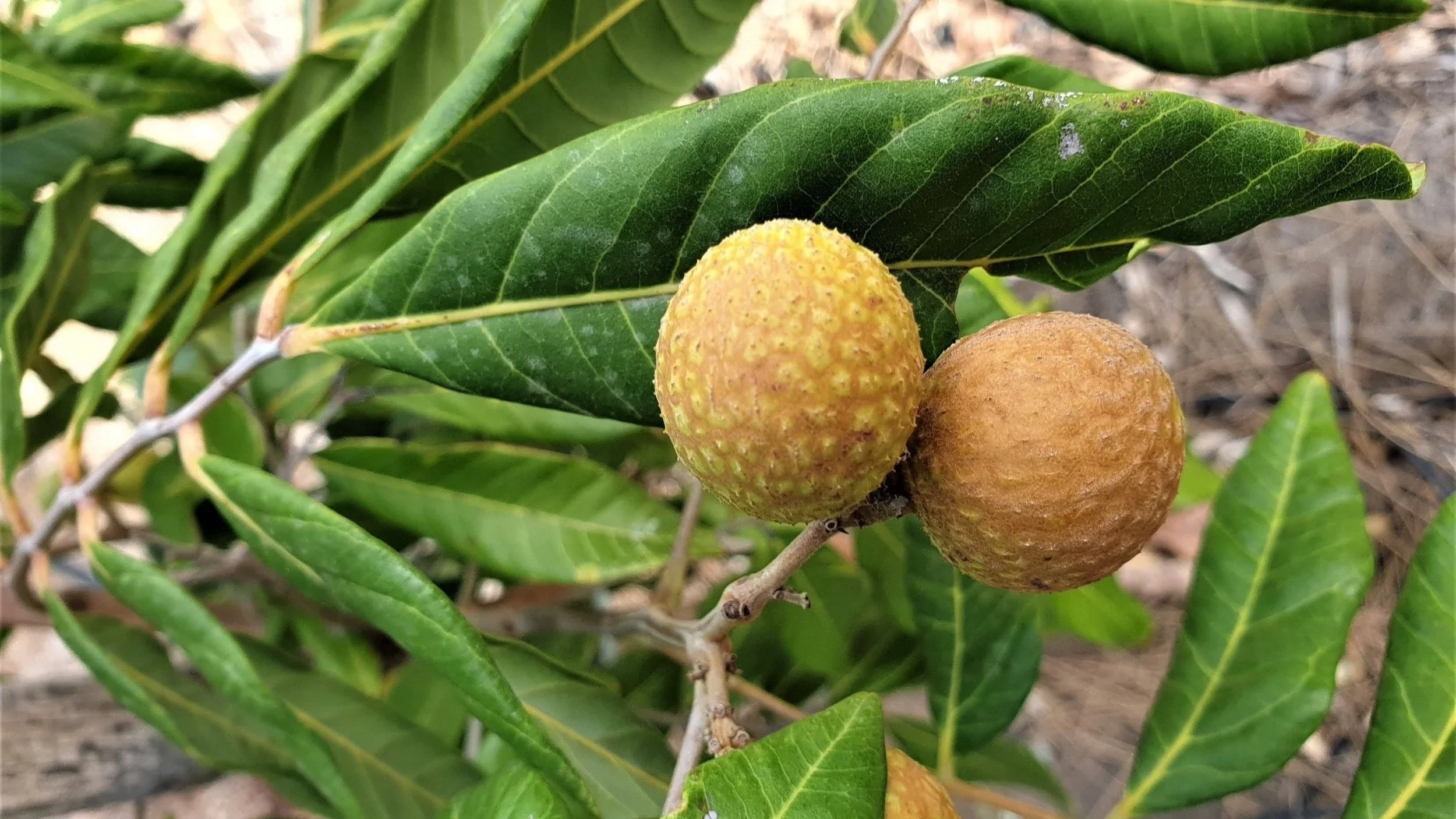
🥭 Cultivating more flavours locally
From exotic fruit trees to perennial treasures, we’re dedicated to enriching our local landscape.
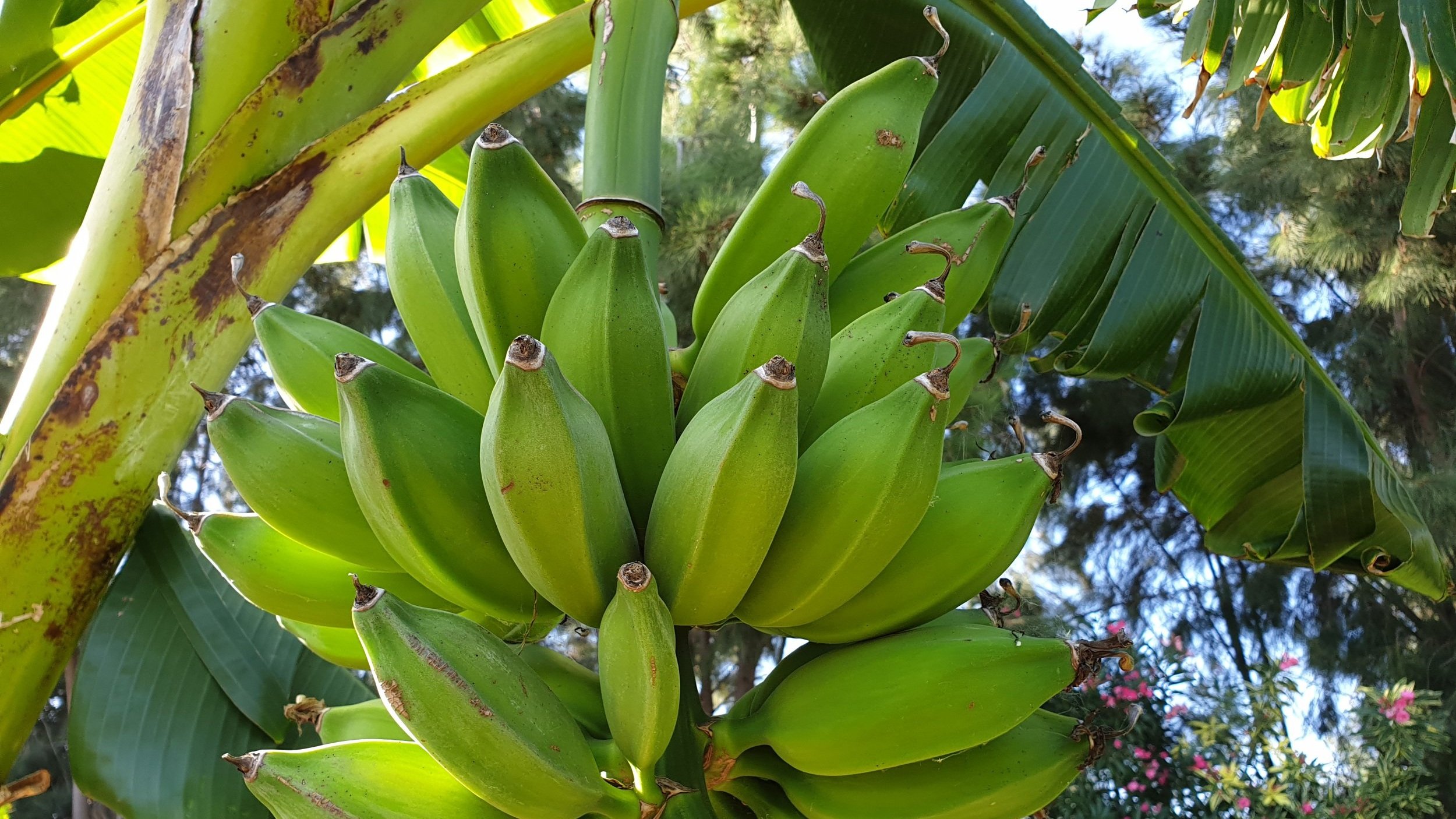
🌵 Adjusting to climate change
Join our research on water-saving techniques and on drought-resistant fruit trees.
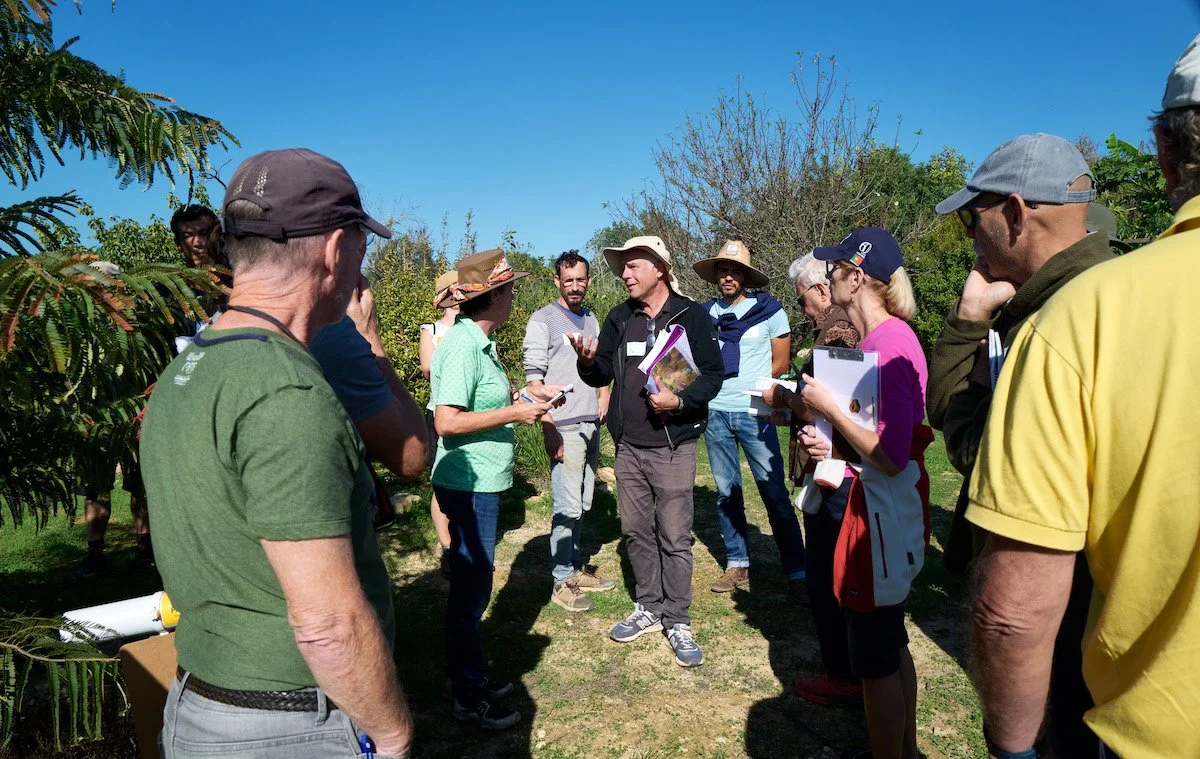
📚 Sharing knowledge
As a non-profit educational oasis, all our findings are freely shared, nurturing a community of conscious growers.
A few hundred metres from the Atlantic Ocean and near the historic town of Tavira, in the south of Portugal, Orchard of Flavours (Pomar dos Sabores) brings together fruit trees and edible plants from all over the warm world — from jaboticaba to jujube, from white sapote to carob. It is the perfect place for a true Food Tree Safari! 🦓 🥑
The garden in numbers
More than 330 species — over 500 distinct varieties and cultivars
Around 1,000 food trees and perennial edible plants on 1.8 hectares
Something in harvest every month of the year
Accredited by Botanic Gardens Conservation International since 2022
A non-profit association, founded in 2019 and run almost entirely by volunteers
What is ripening right now?
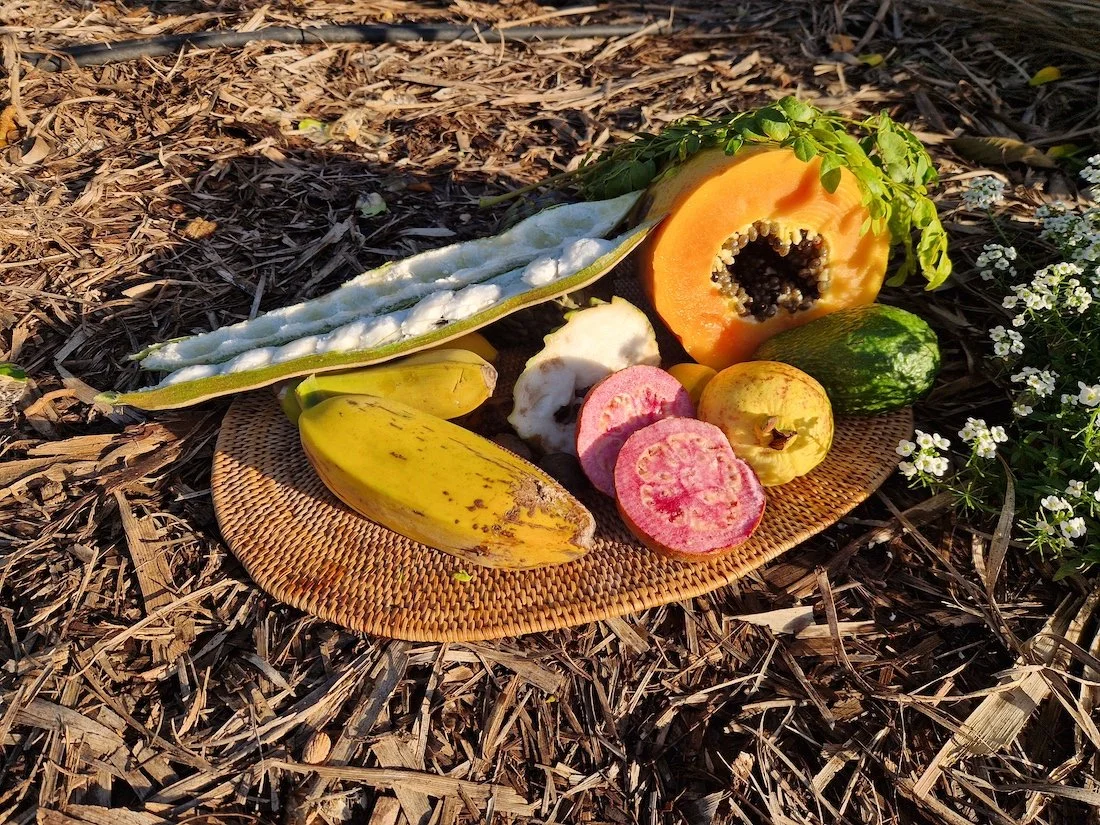
Our collection produces fresh fruit twelve months a year — pitangas and mulberries in late spring, jambolans and guavas in autumn, avocados and kumquats in the middle of winter. Every harvest is recorded, month by month, tree by tree.


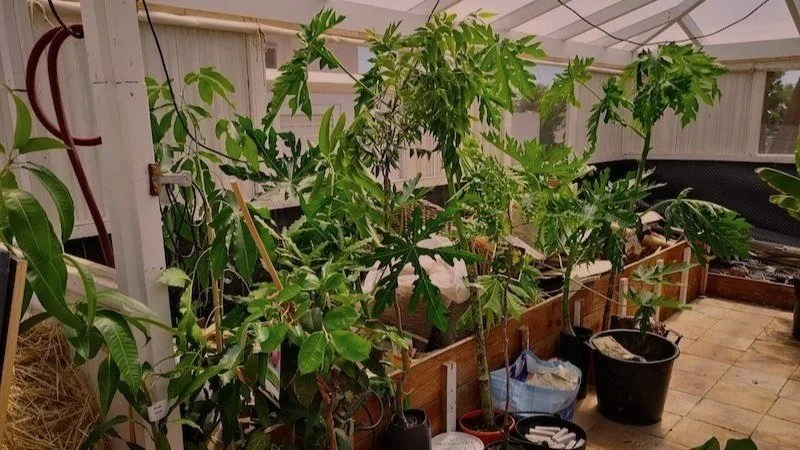
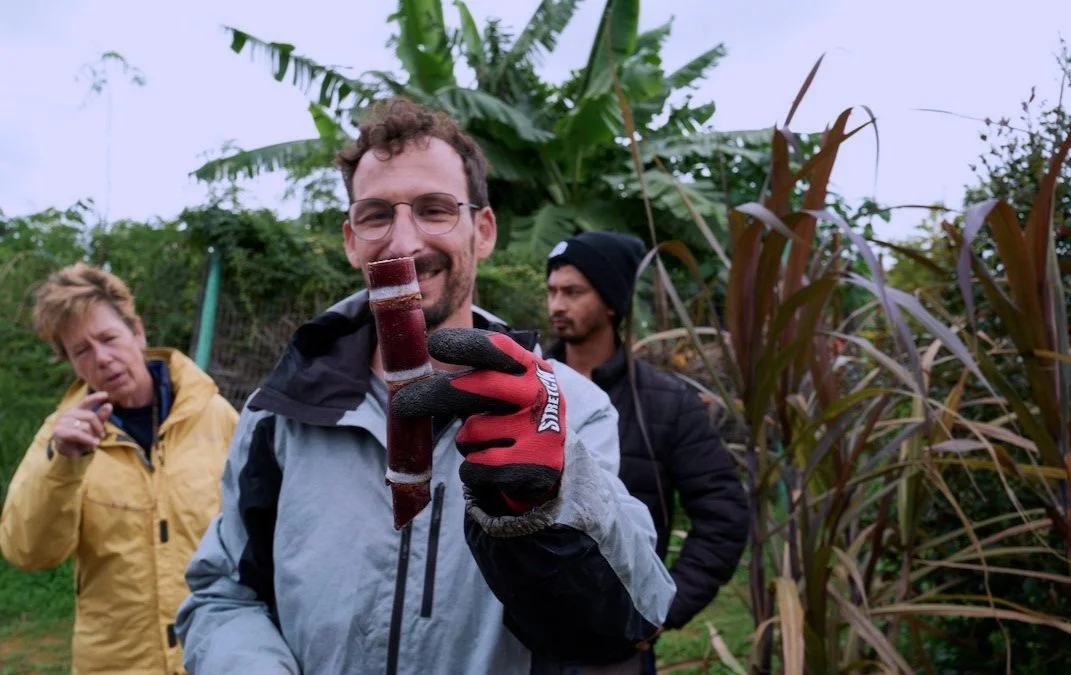
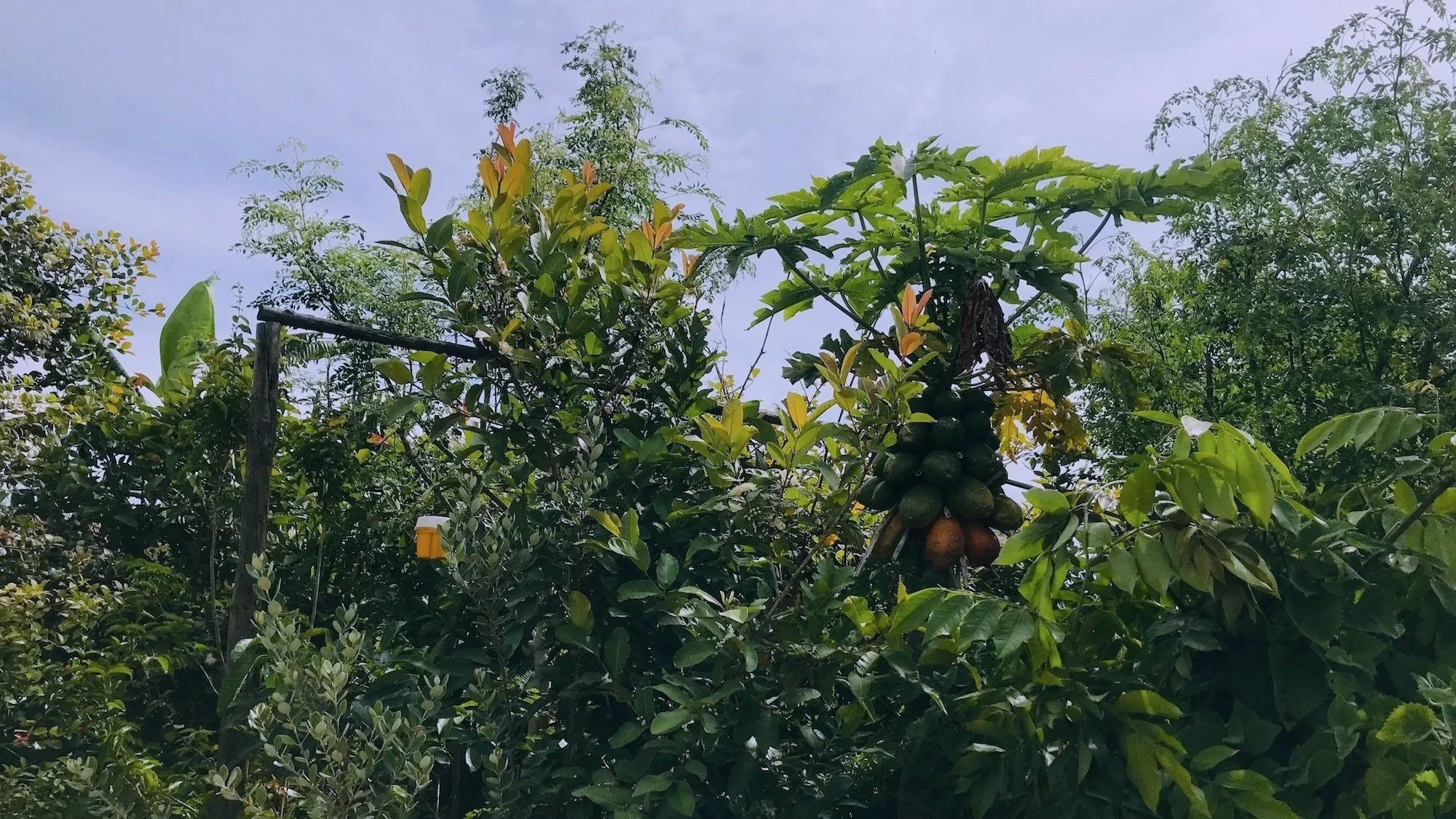
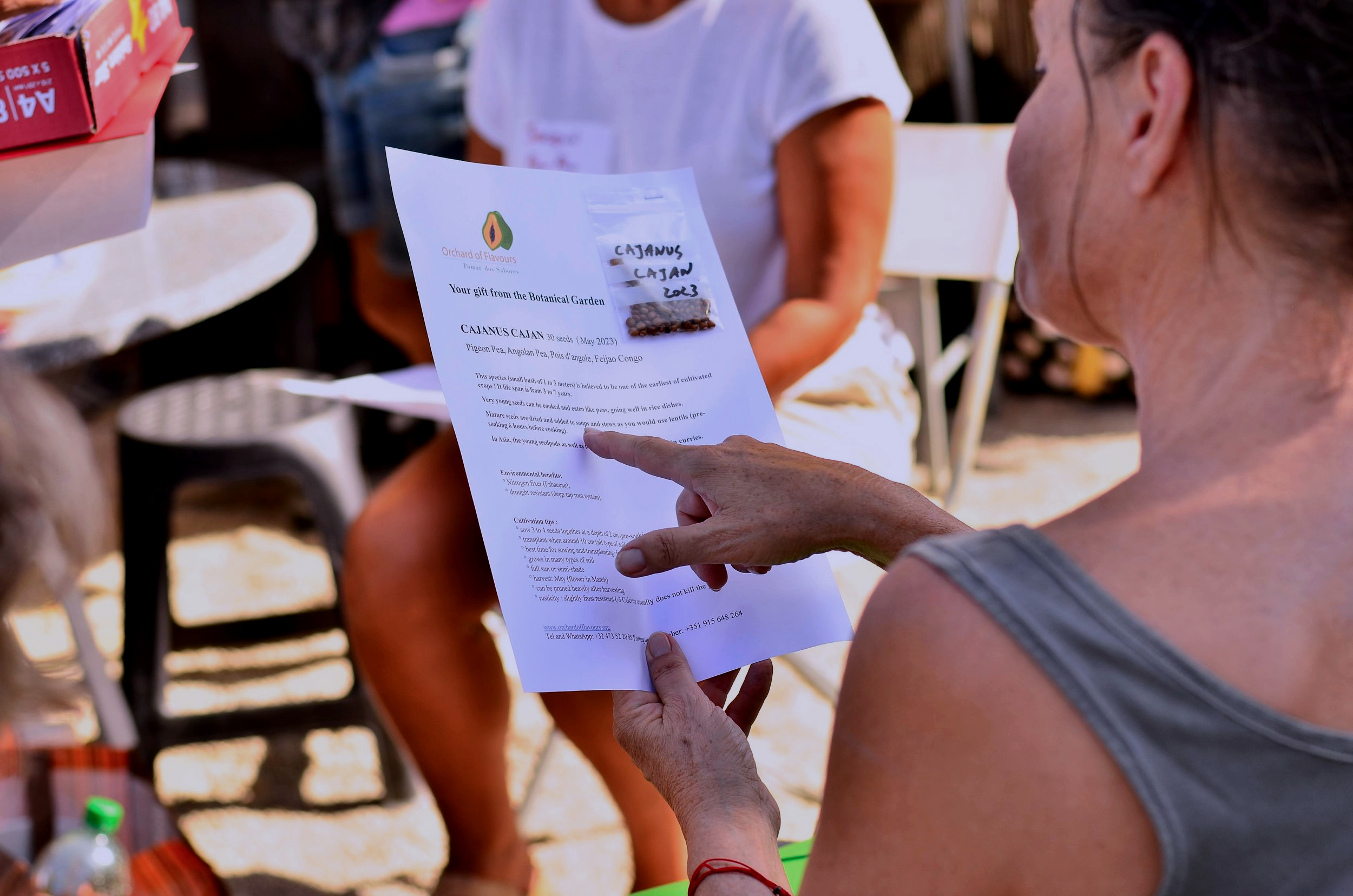
This orchard includes species already cultivated in the Algarve, as well as forgotten species and plants rarely found in Europe. Most of them originate from subtropical and Mediterranean climates. They can grow here because the Algarve enjoys more sunshine than any other part of Europe, all year long. All the plants of Pomar dos Sabores sit in USDA hardiness zones 9 to 12: they tolerate no frost at all, or only occasionally.
The most important goals of this botanical garden are to show which fruit production can be relocated to Europe and to share, freely, the knowledge needed for anyone to succeed at home. At the same time, it shows how an environment-friendly approach can work in your own garden.
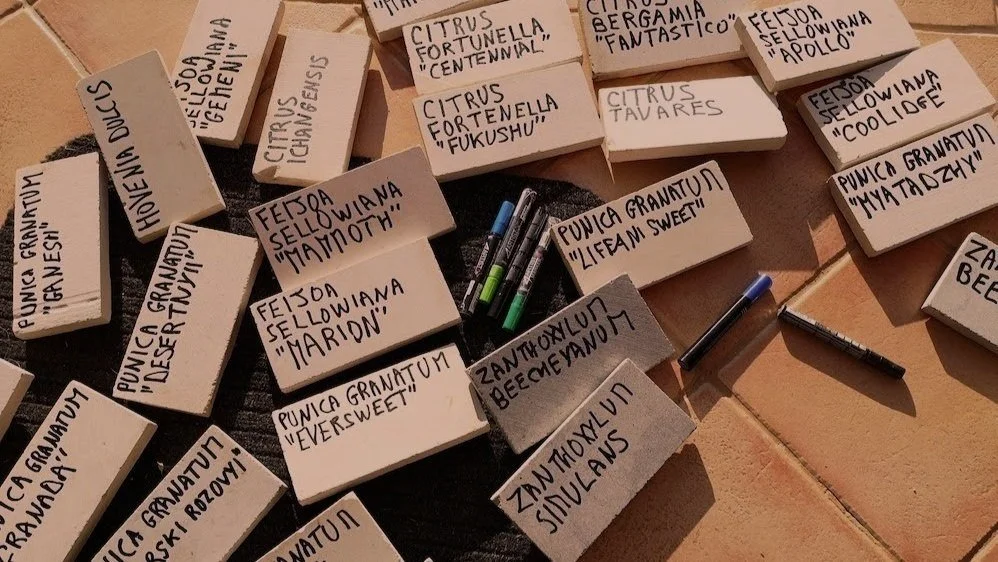
More than 330 species of food trees and other perennial edible plants grow here today — over 500 varieties and cultivars in total. We deliberately plant several varieties of the same species to compare flavours and ripening periods, and to find out which ones are best suited to our climate and soil. There are many varieties of mango, lychee, pomegranate, and more.
Our intention is to use agricultural water efficiently and to experiment with agroecology techniques: several types of mulching, flowers as ground cover, compost ditches and banana circles to improve soil fertility, among others. Ongoing research includes the Dry Orchard Experiment — fruit trees grown without any irrigation — and the Mango Project.
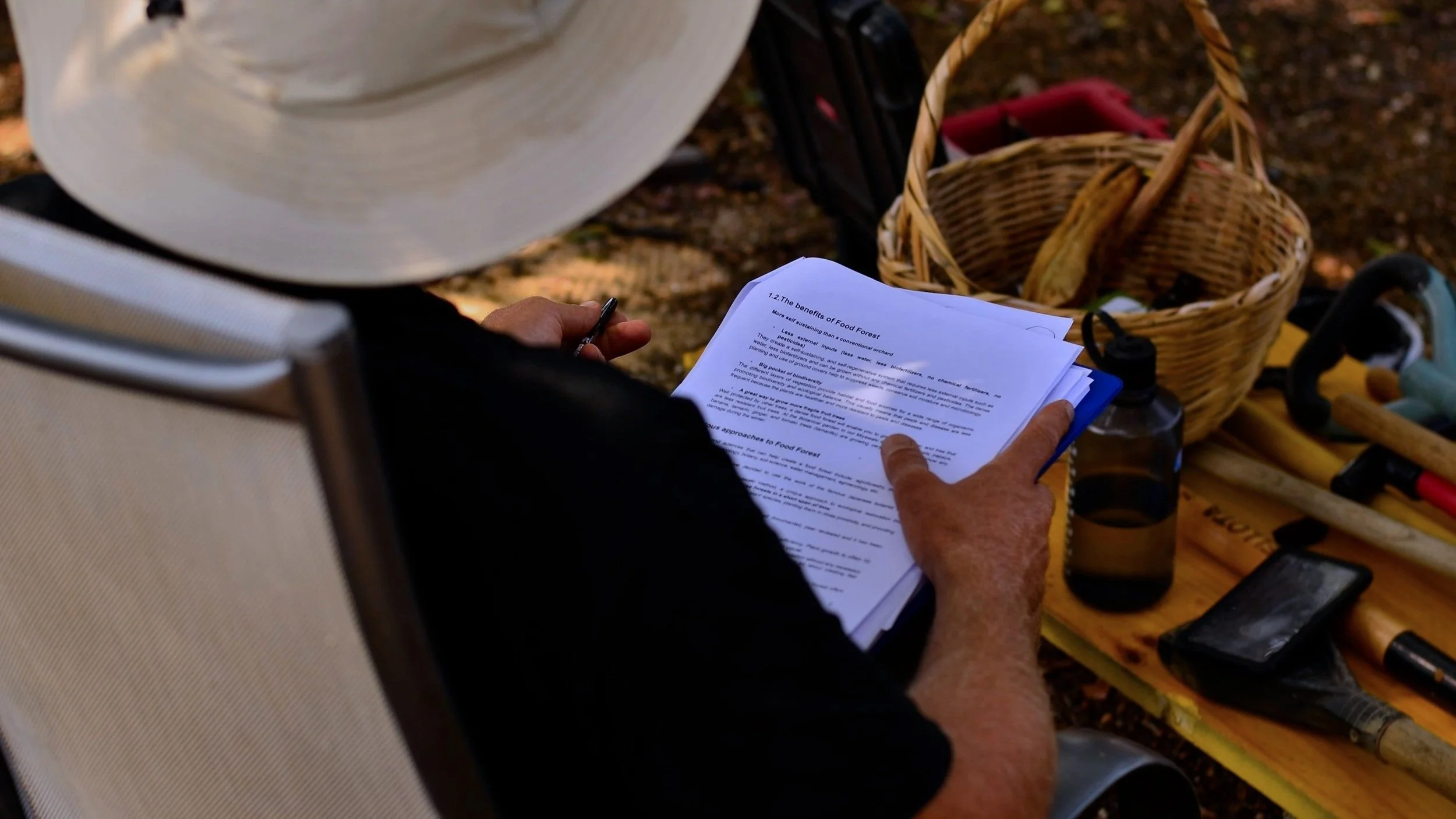
Building on this experience, we keep an open knowledge base, teach hands-on workshops on food forests, propagation and fruit tree care, and publish printed manuals written from our own field results. You can follow the whole story on our photo Timeline.
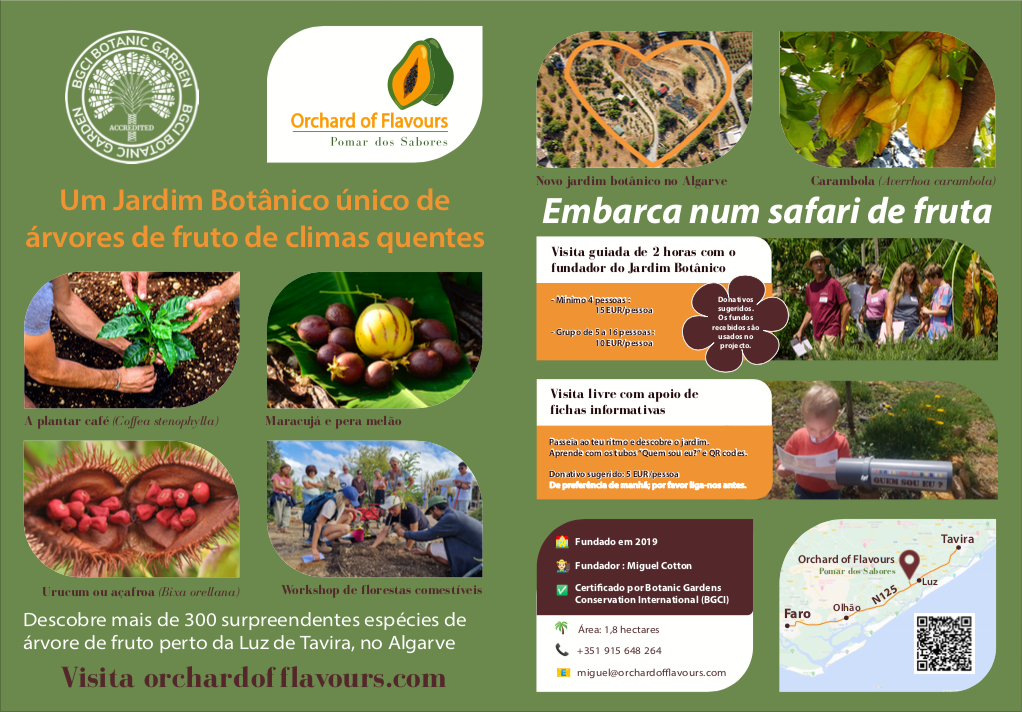
🇵🇹 💬 O Pomar ainda não tem website em português. Por isso, para já, criámos este folheto. Clique para fazer download.
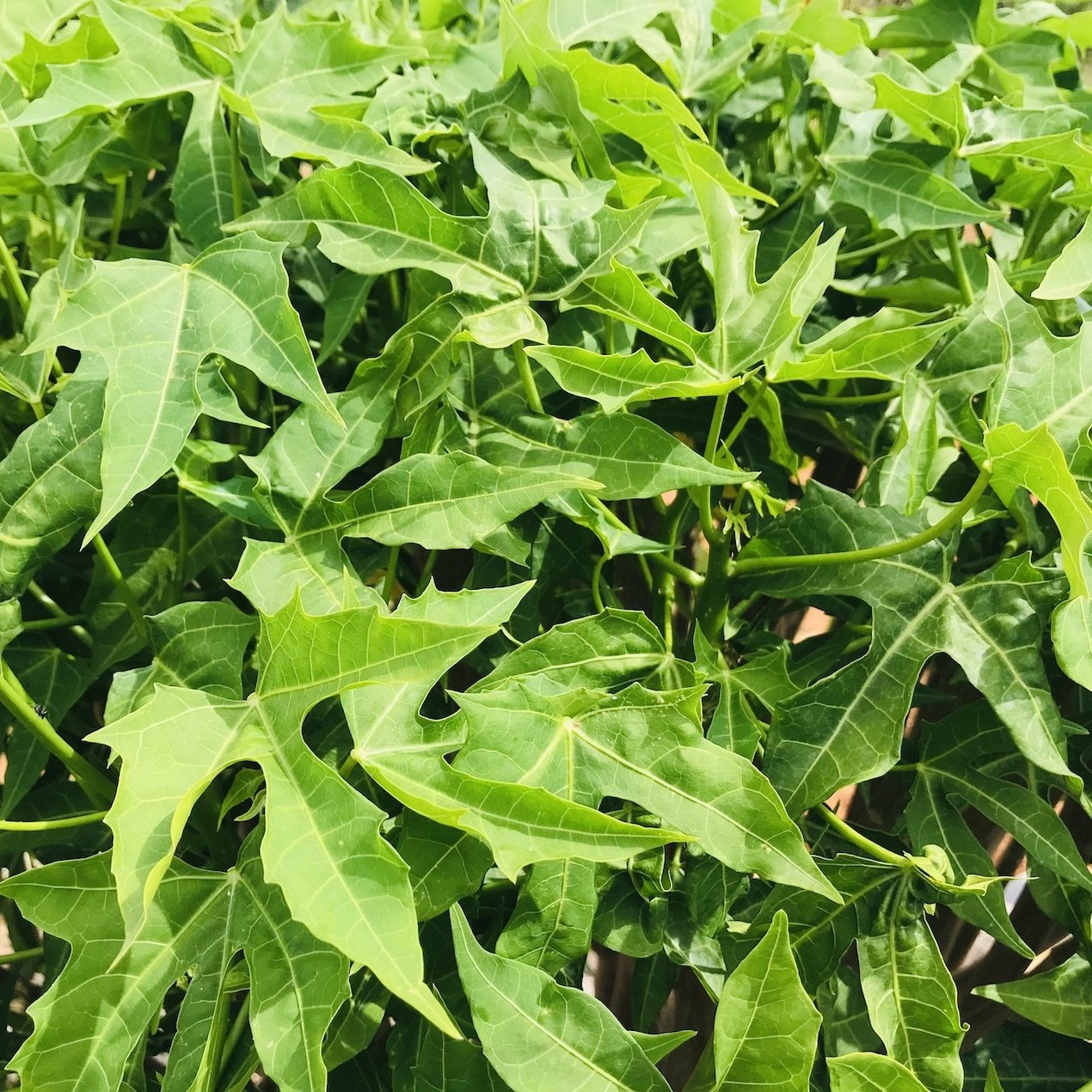
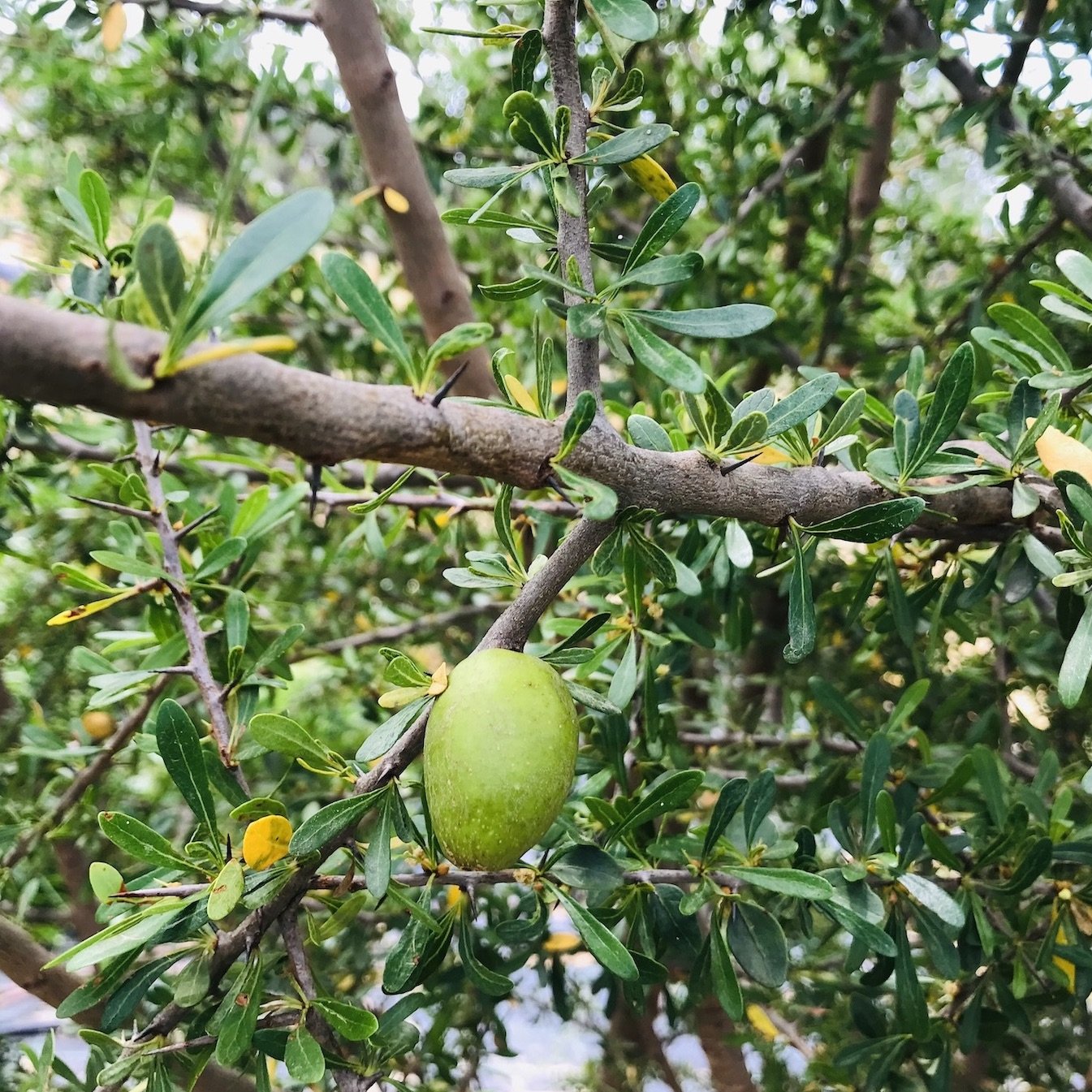
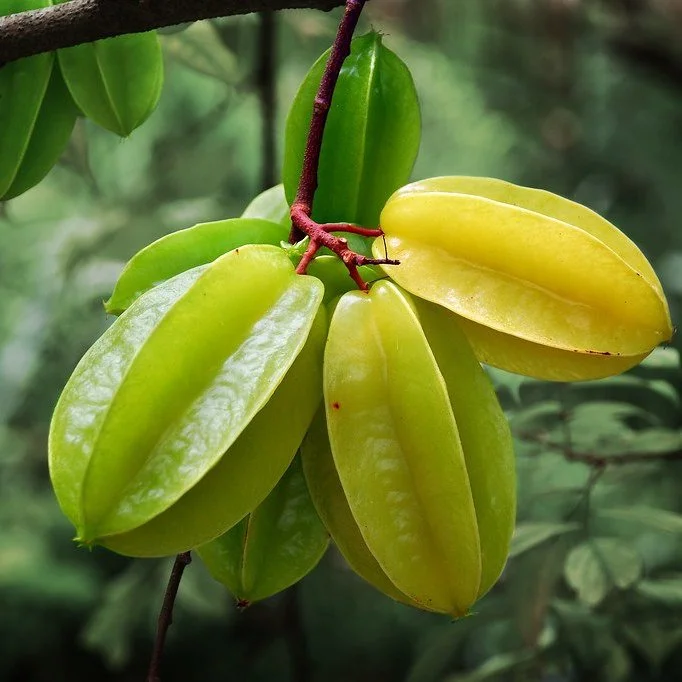
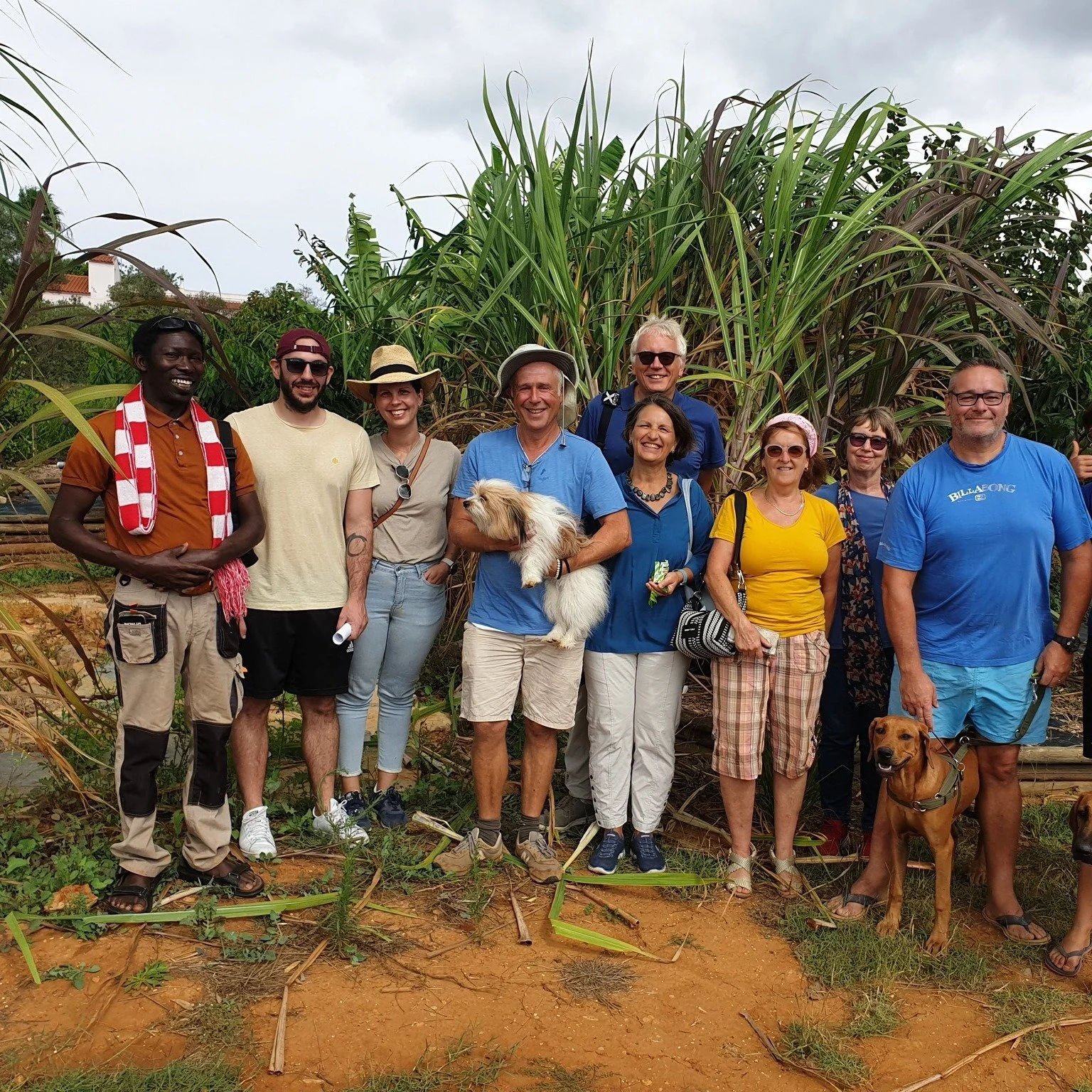
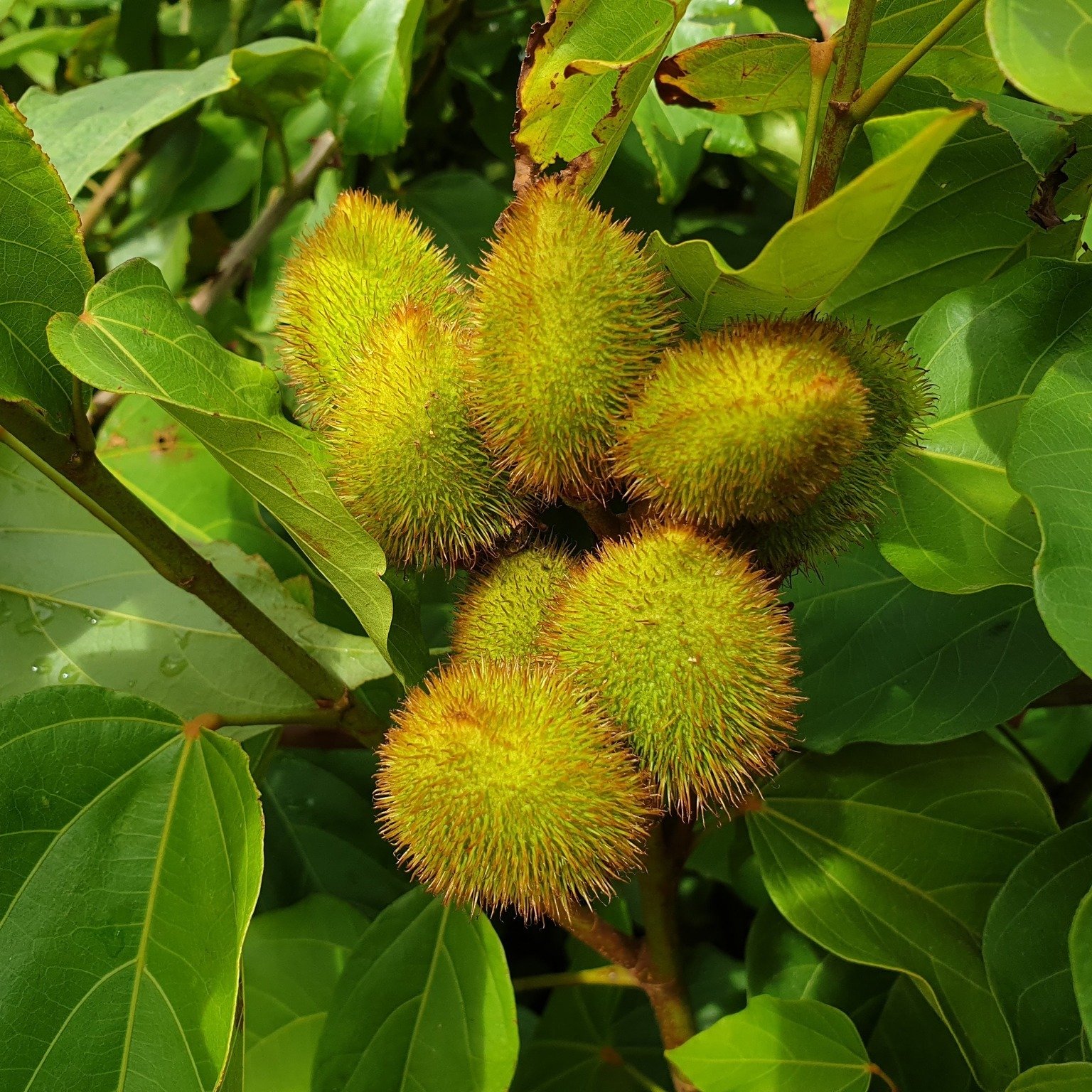
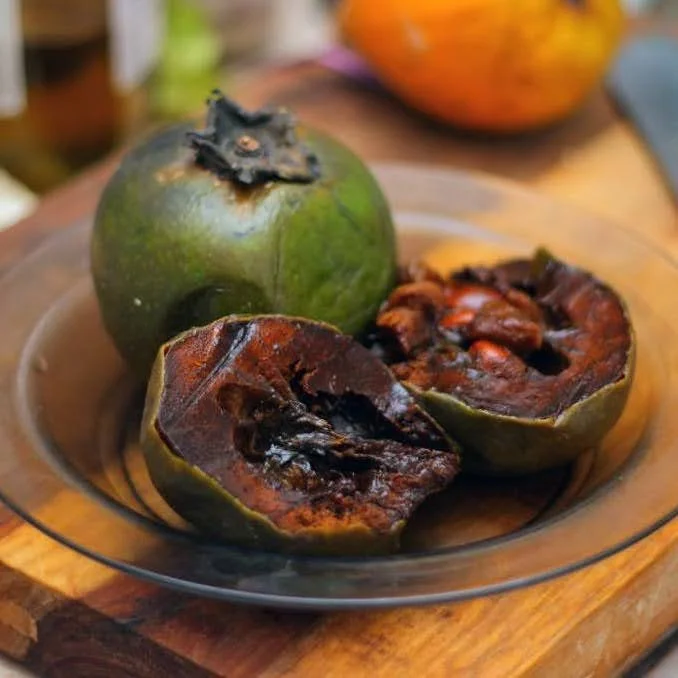
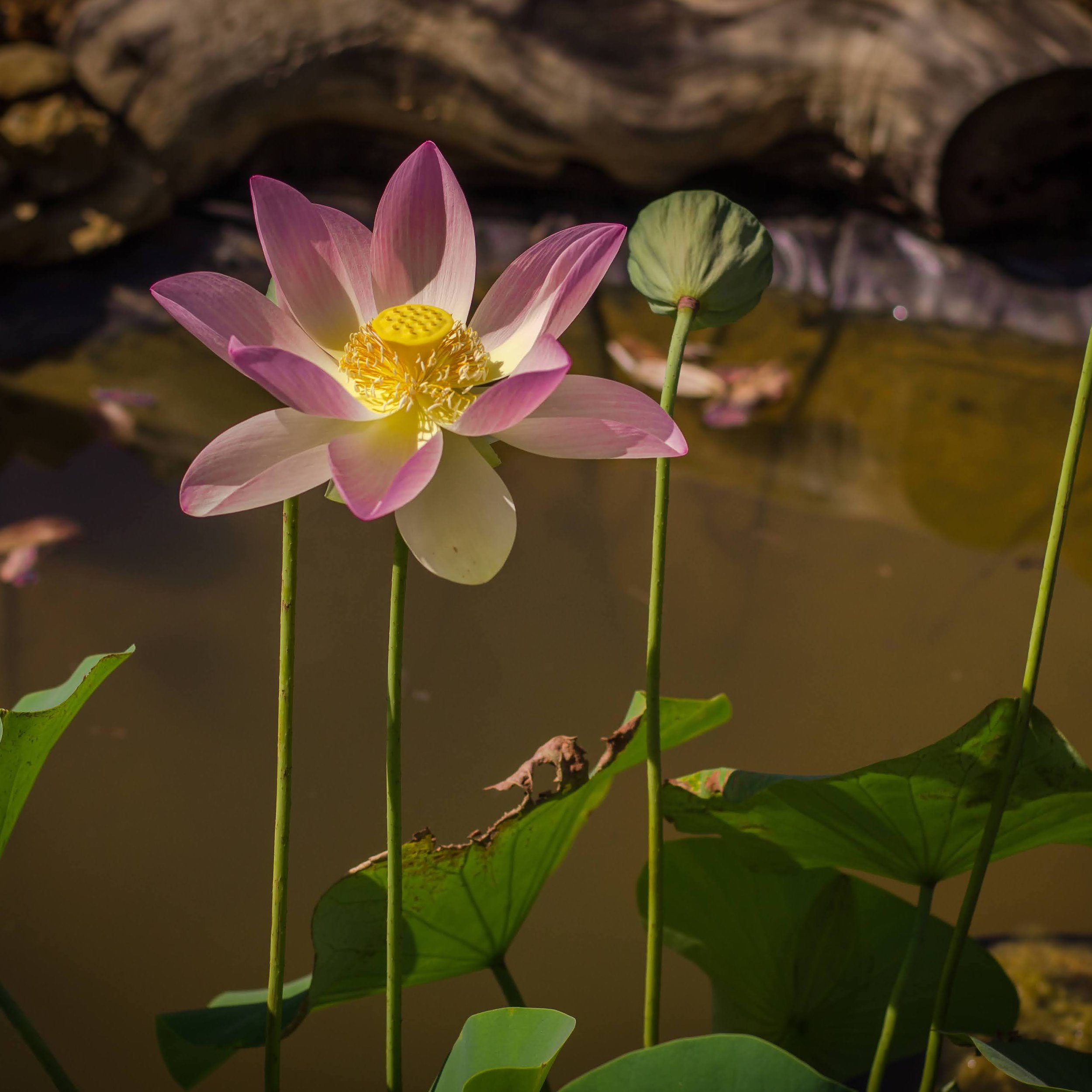
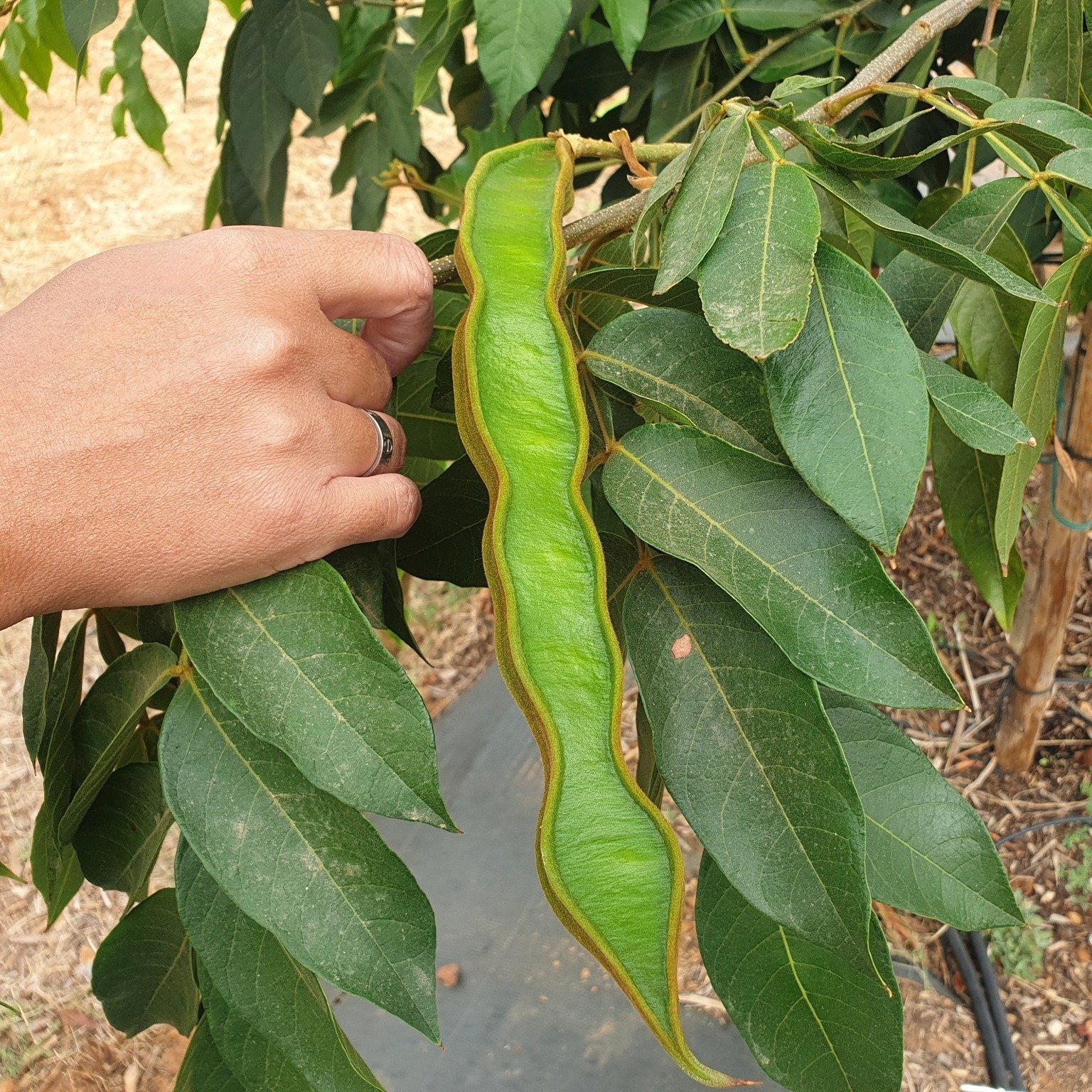
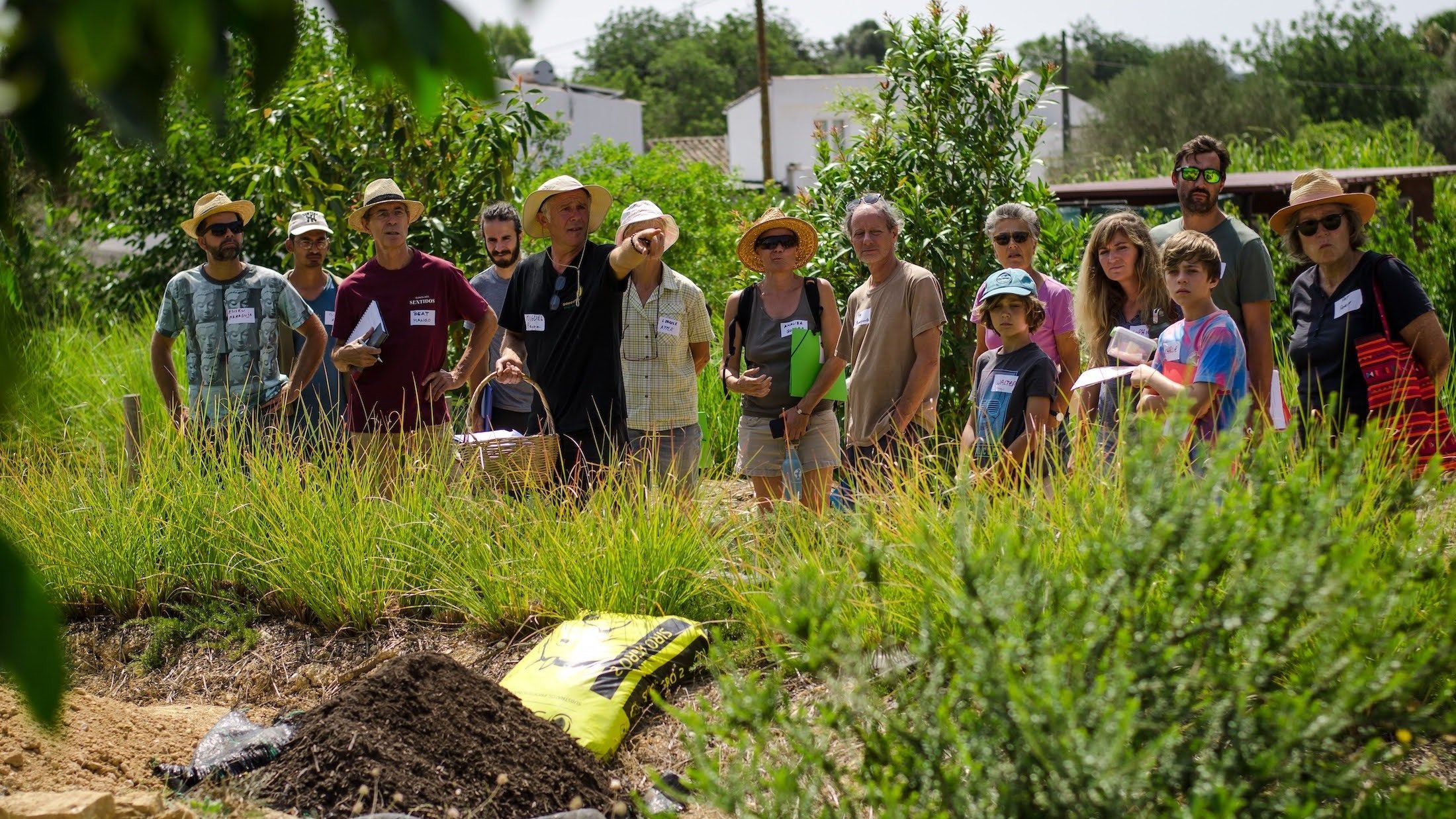
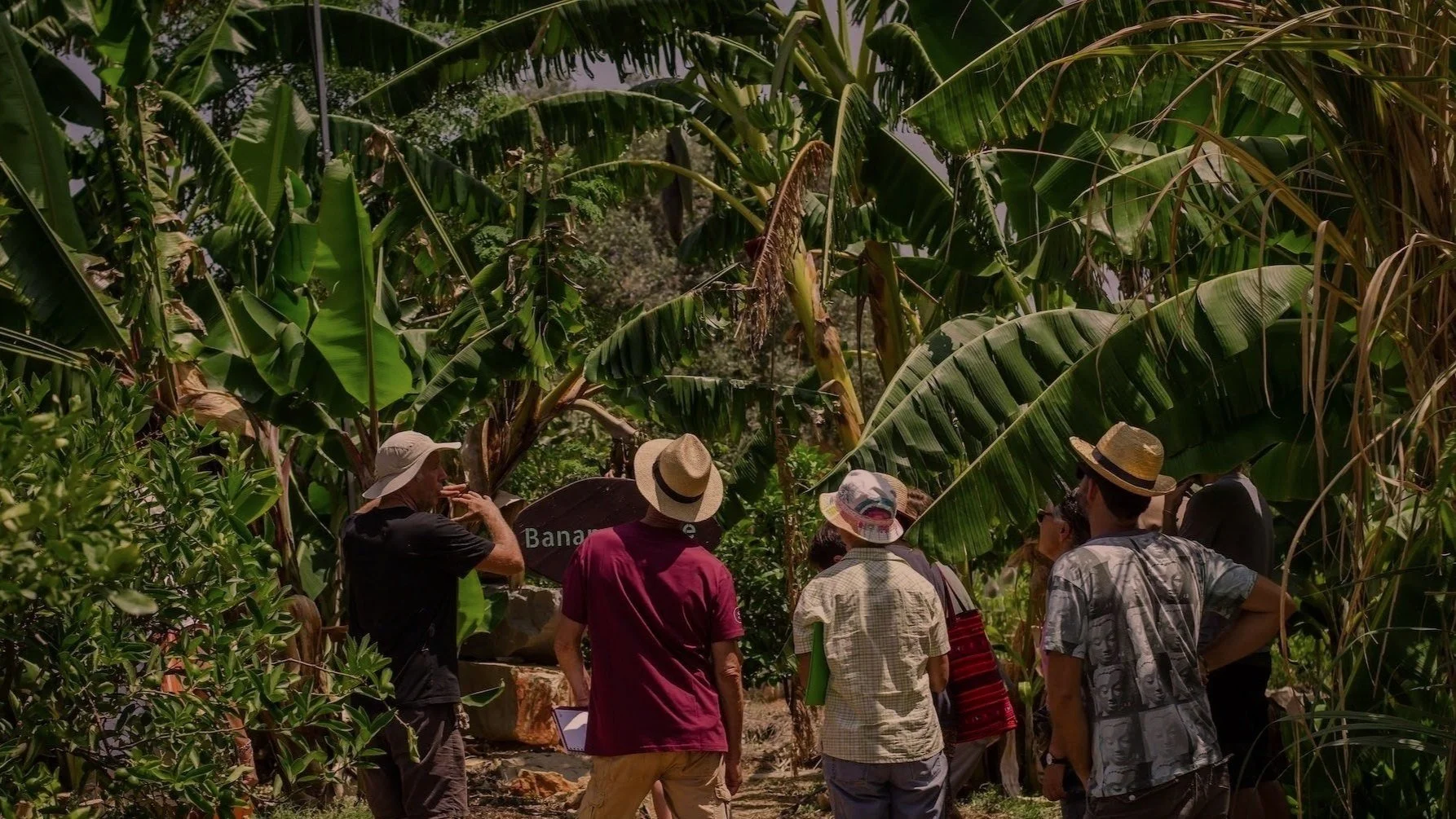
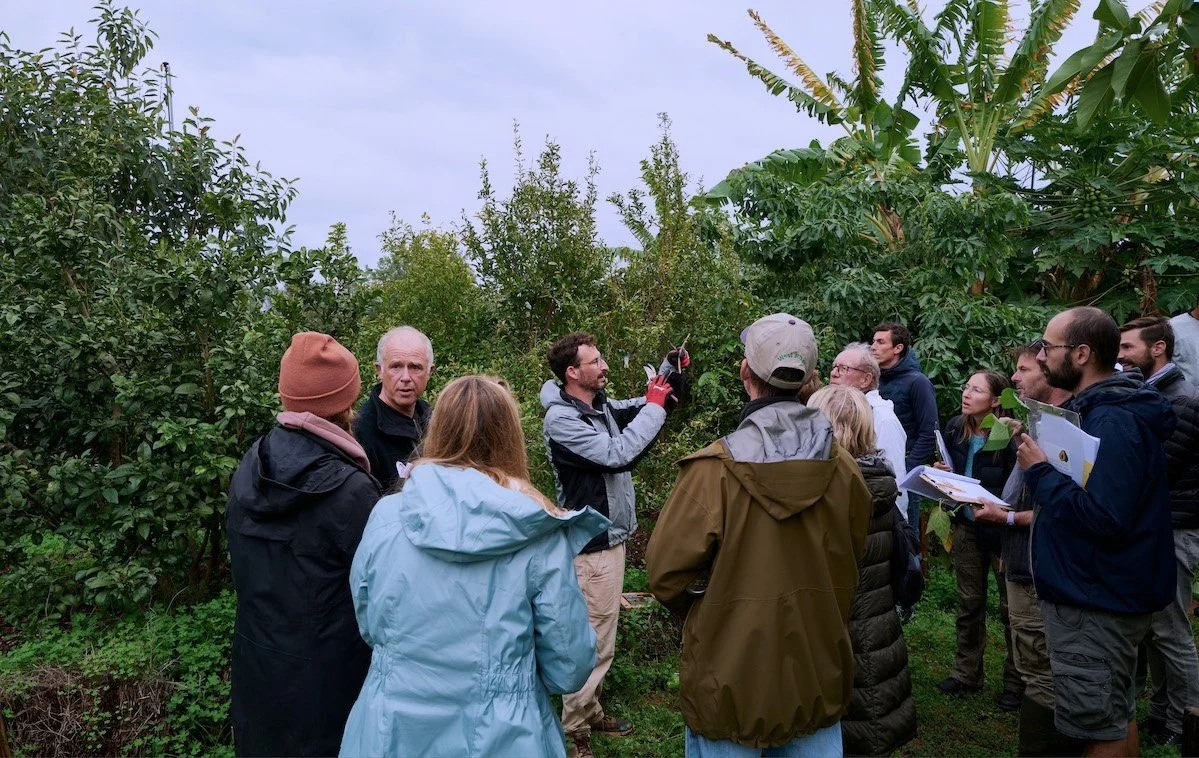
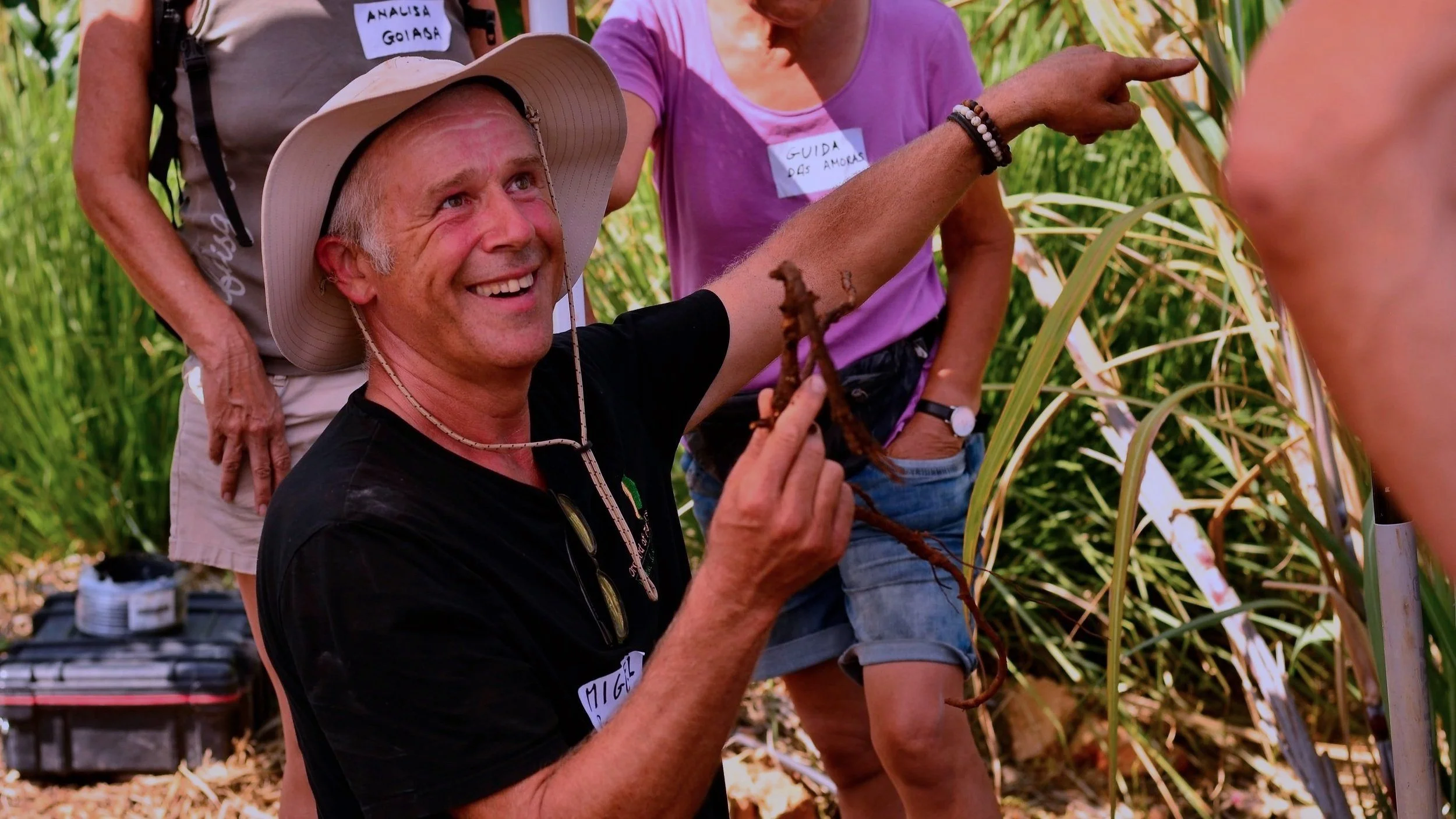
Guided tour with Orchard of Flavours’ founder, Miguel COTTON

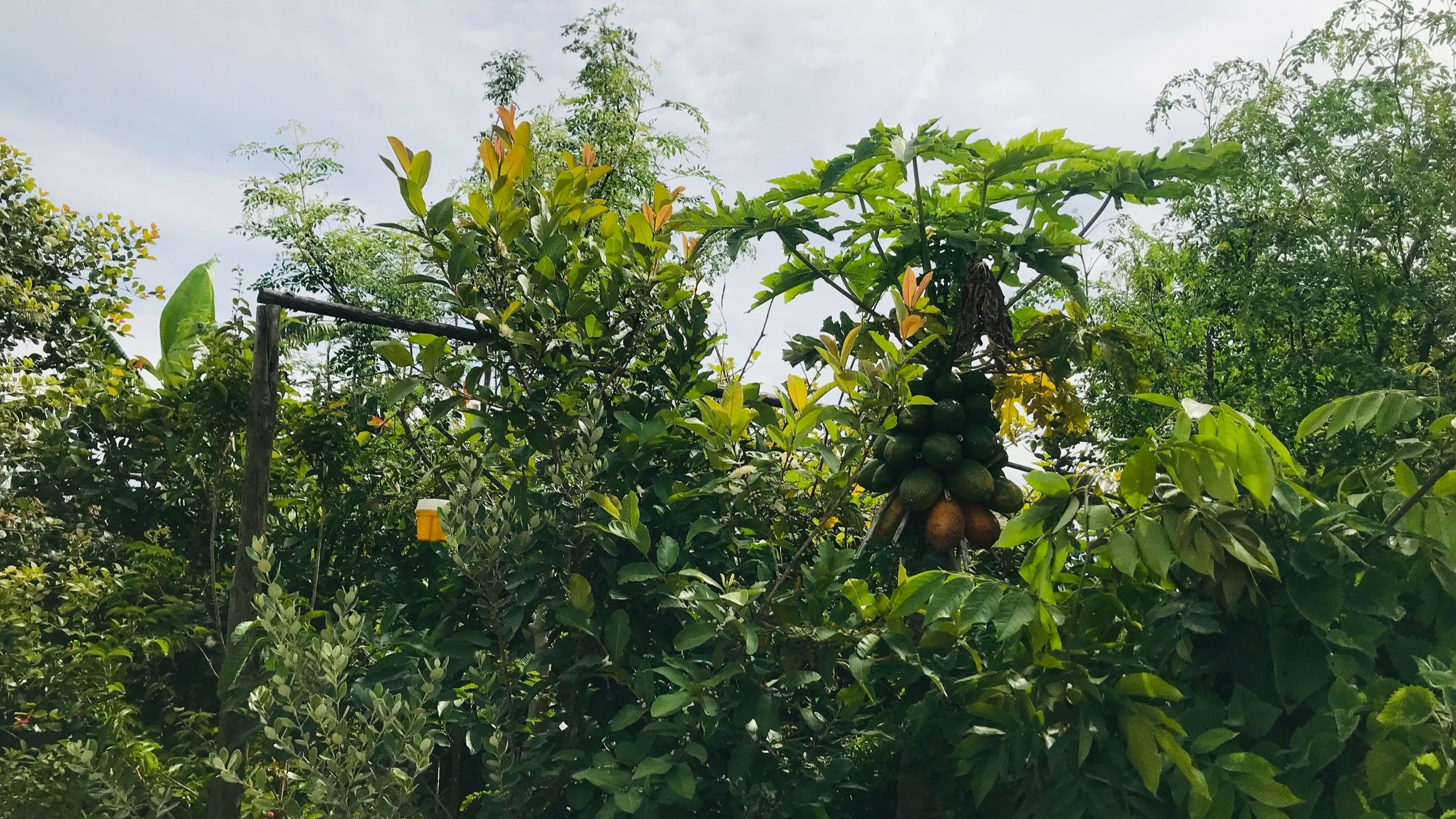
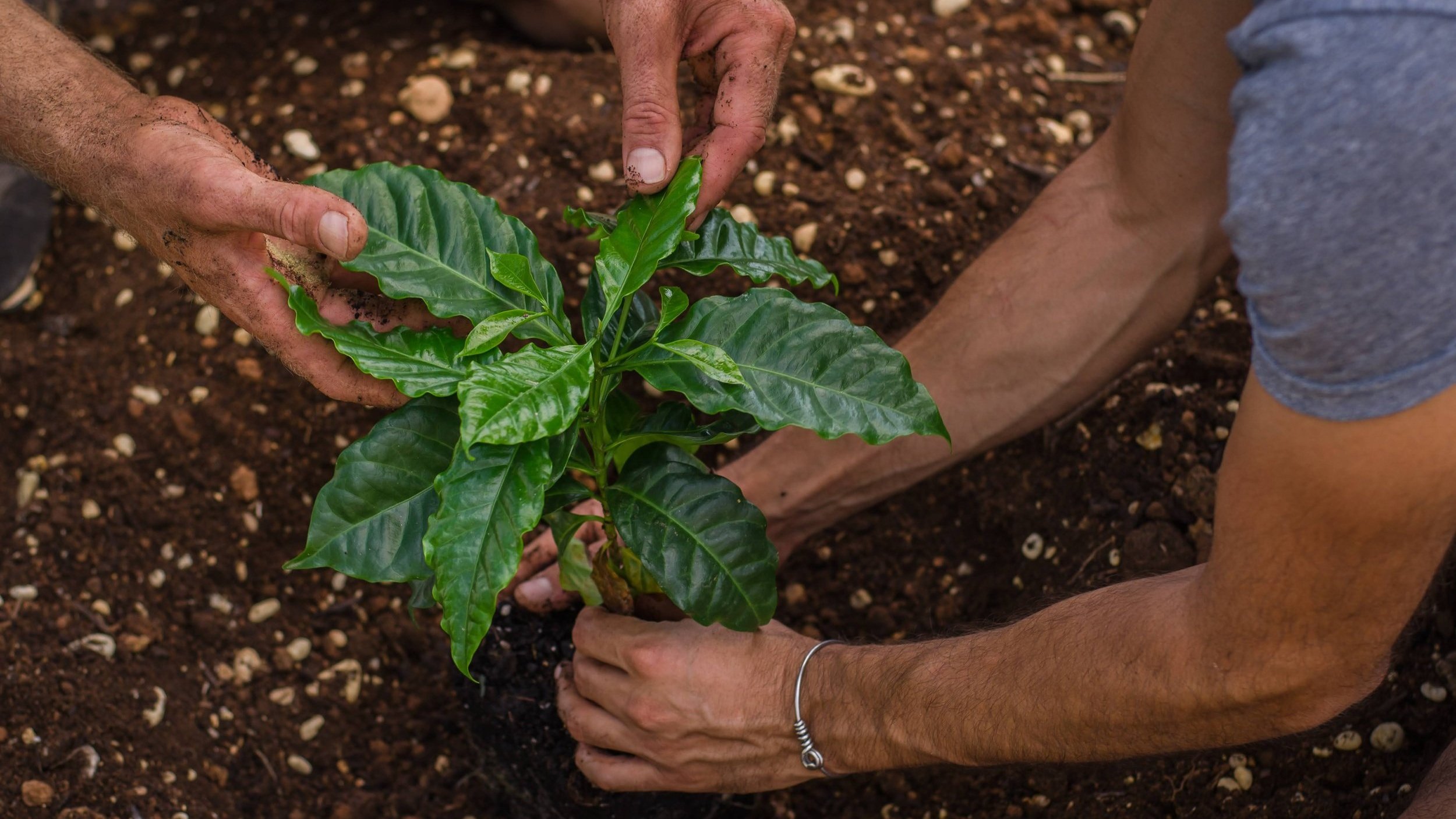
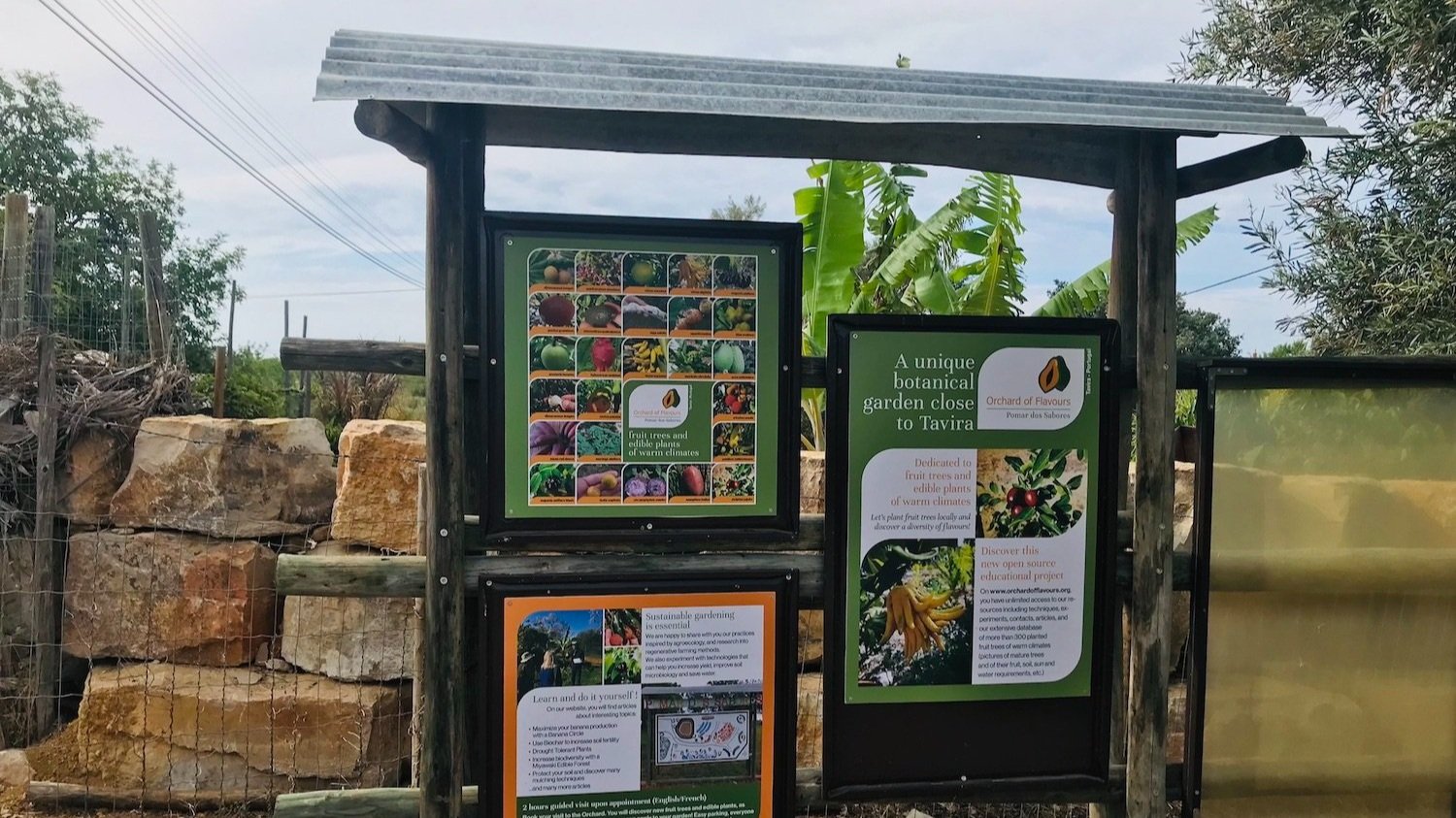
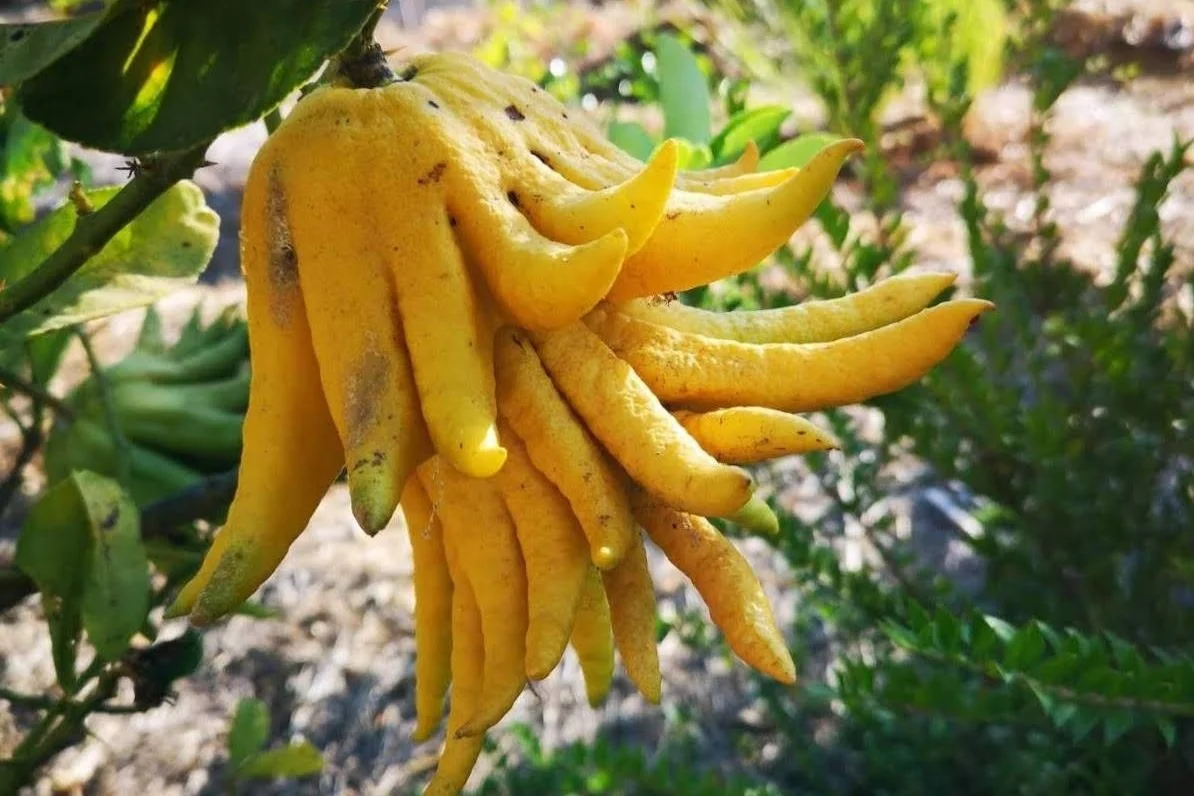
An orchard for agroecological experimentation open to all
Orchard of Flavours (Pomar dos Sabores) is a non-profit experimental garden whose results are open to everyone. It has been accredited as a botanical garden since November 2022 by Botanic Gardens Conservation International (BGCI.org).
A scientific approach is pursued with the project. Every plant is recorded in a database published on this website, with its botanical name, cultivar, origin and harvest months — for example: Mangifera indica 'Ataulfo'; Asia; September. It also contains a large amount of information useful to any gardener, including ideal soil and irrigation conditions. All the parameters of the plantings are also recorded: fertilization, irrigation, photos, type of soil, crops, possible diseases, etc. The full database is open data: you can download it and reuse it freely.
Alternatively, you can browse through our full catalogue of edible plant species and varieties by visiting the Fruit Trees by Origin section, complete with information on edibility for each species.
We also document what dies. Our Plant Cemetery records every species we have lost and why — frost above all, and waterlogged clay for the others. In a botanical garden, an honest failure is data too.
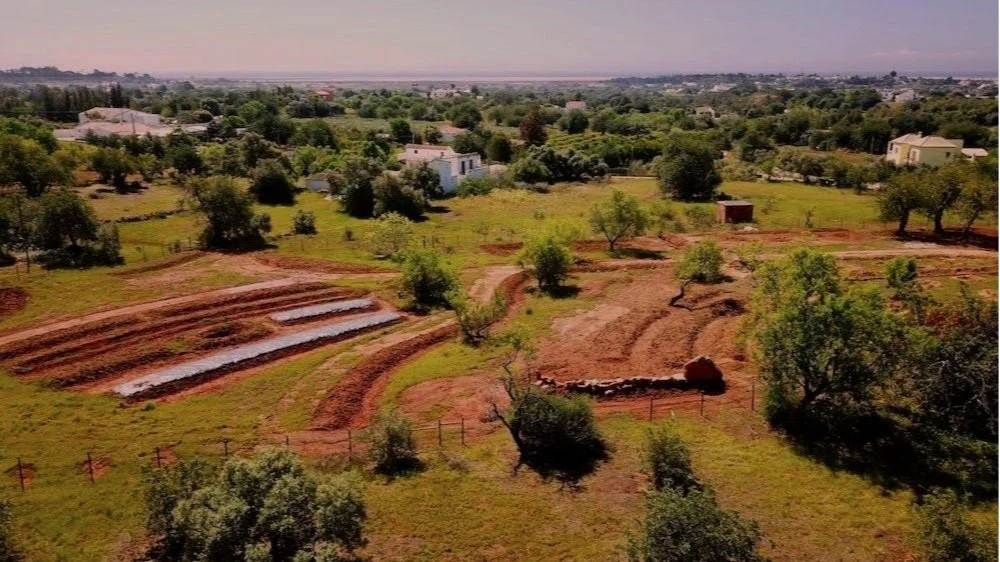
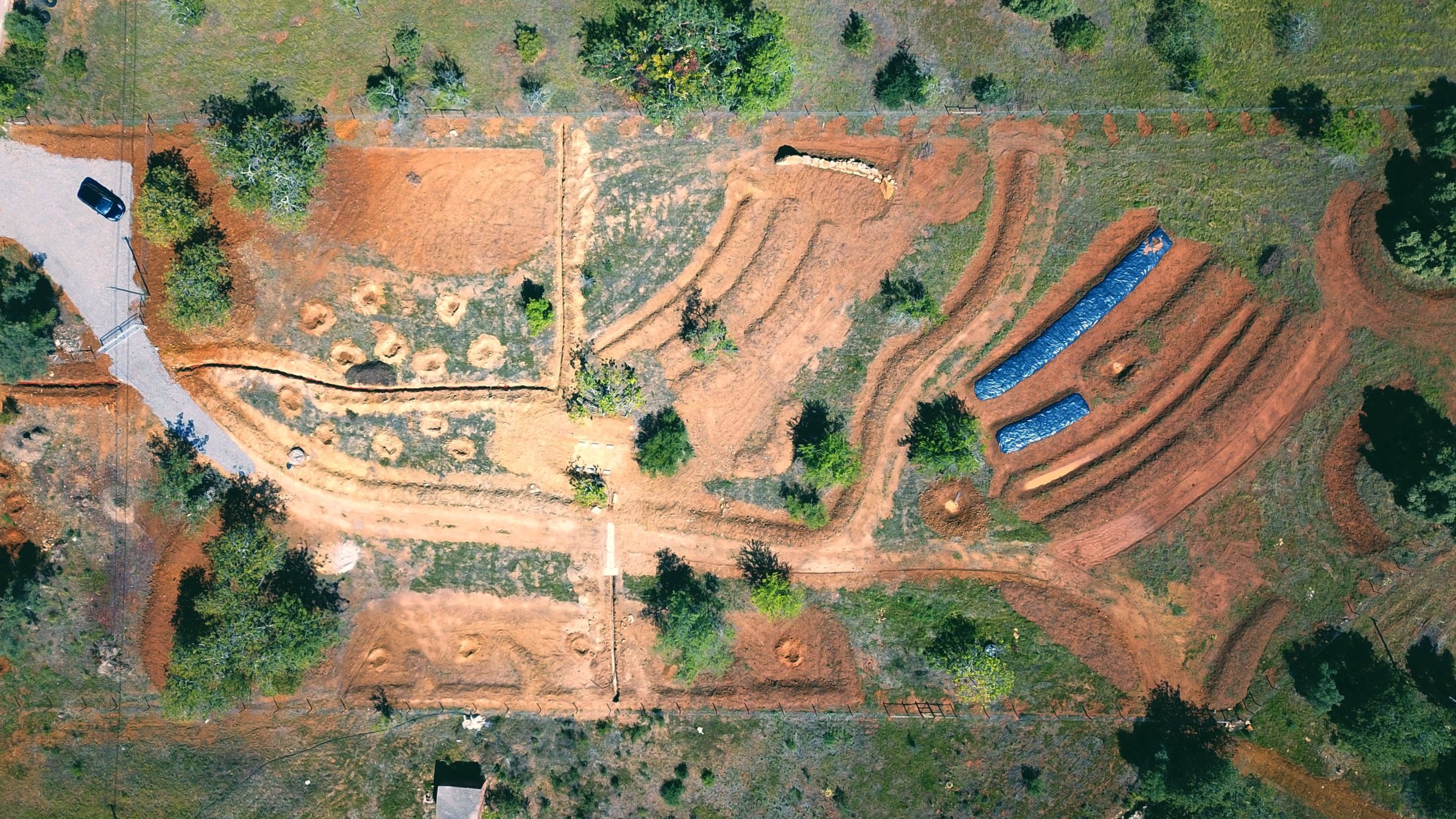
Orchard of Flavours little corner of Tavira, Algarve, as seen from the sky, on July 2025. Go to our Timeline page for a flight through time!
An approach inspired by agroecology
Pomar dos Sabores is guided by the principles of agroecology.
As such, we started in January 2019 with a close observation of the area and the contour lines. A few months later, we created raised beds to limit erosion. These beds form a dozen planting zones that correspond to different soils, sunshine or wind exposures. The placement of diverse plants promotes biodiversity and increases the resilience of the garden, avoiding the use of pesticides.
Many creeping plants are planted at the base of the trees to serve as a ground cover and for their honey producing potential.
Water is used rationally and very economically thanks to a computerized micro-irrigation system and systematic soil cover in order to minimize evaporation. Different soil cover techniques are being tested: "mulching" using cardboard and straw, biodegradable plastic, fabrics, creeping flowers, vetiver grass, ...
The soil is enhanced by a regular supply of manure and occasionally by a supply of organic liquid fertilizer via the irrigation system.
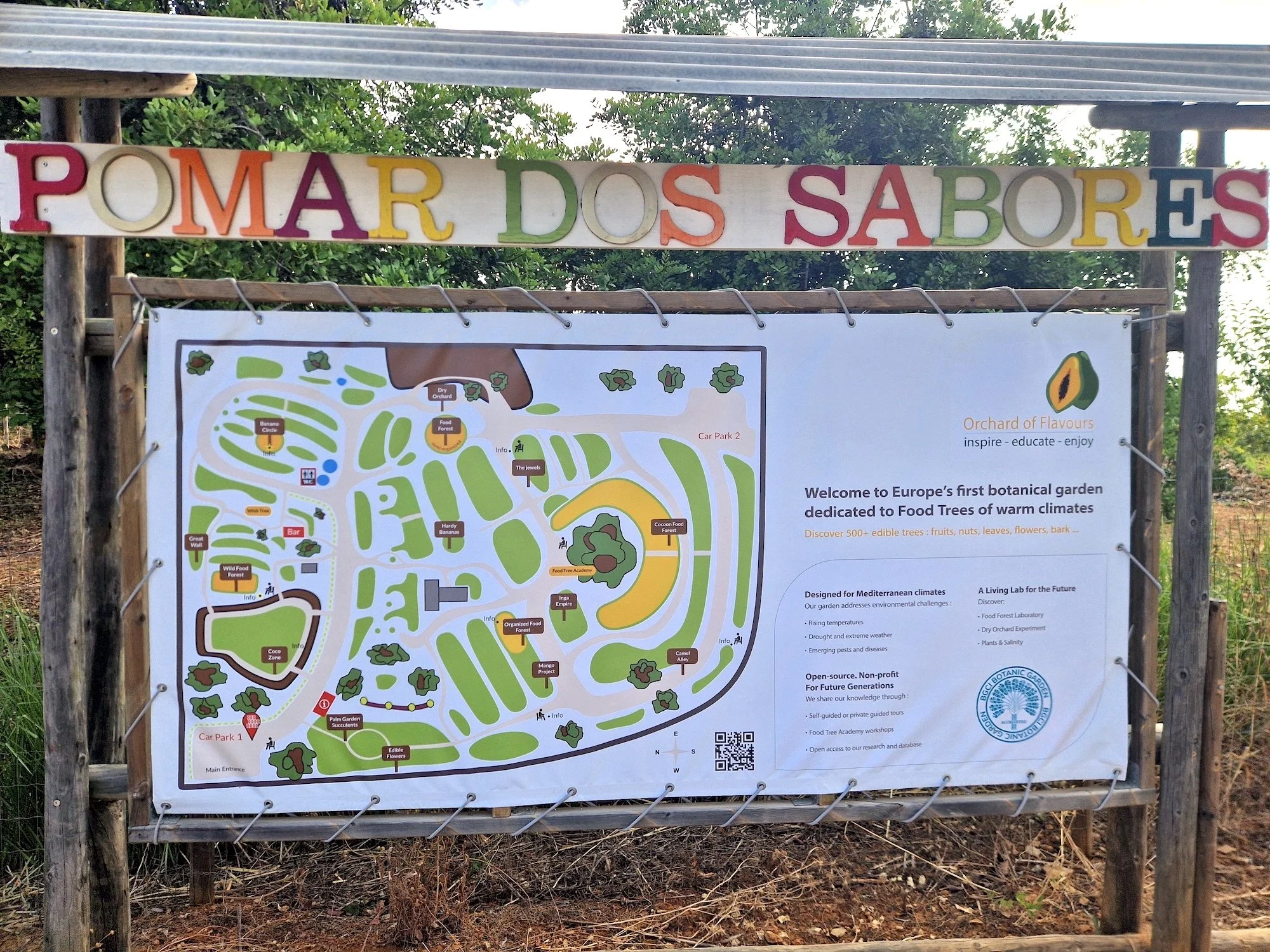
Different zones at the Pomar dos Sabores. Check out the full-size map!